

E-Bike Battery Repair UK: BMS Replacement, Cell Swap or New Battery?
A failing e-bike battery doesn’t always mean a new one. We break down when a £75 BMS replacement fixes it, when a cell group repair
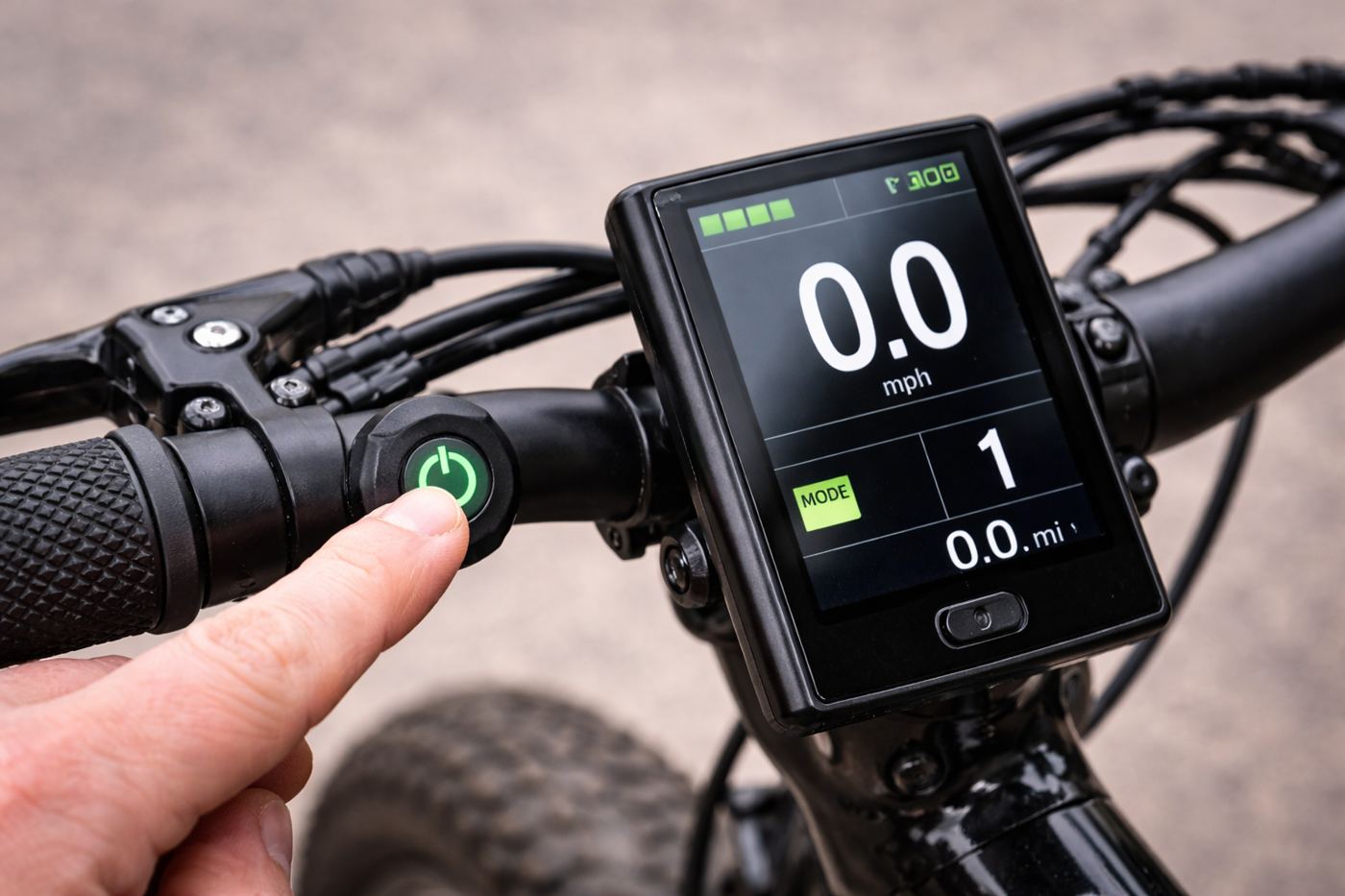
When a fault triggers, the display shows a flashing number — sometimes on its own, sometimes prefixed with "E" or "Er". Before you do anything else, note down the exact number and which display you have (DPC14's small mono screen, DPC18, the colour 850C, or the compact SW102 bar display). That combination is what actually determines the fix, and it's the first thing we'll ask for if you get in touch.
Code 06 — Undervoltage protection. Most likely cause: the battery has sagged below the controller's low-voltage cutoff, usually from riding it near-empty or a weak connector adding resistance under load. What we check first: charge fully, then check voltage under load rather than at rest — a battery that reads fine sitting still can still sag under load if a connection is degraded.
Code 07 — Overvoltage protection. Most likely cause: a battery or charger paired at the wrong voltage for the controller (36V/48V/52V mismatches), or a charger that's overshooting. What we check first: confirm the battery's nominal voltage actually matches what the controller is rated for before assuming a charger fault.
Code 12 — Battery communication fault. Most likely cause: the handshake between a smart battery's BMS and the controller has dropped, separate from the main power connection. What we check first: the communication pins on the battery-to-controller connector specifically, not just the main power leads — this is easy to miss because the power connection can seem fine.
Code 02 — Throttle fault. Most likely cause: the throttle was held or stuck at power-on, or there's a wiring fault on the throttle circuit. What we check first: release the throttle fully and power cycle; if it recurs, we check the throttle wiring and connector.
Code 04 — Motor Hall sensor fault. Most likely cause: Hall sensor wiring inside the motor cable has been damaged, or the connector has worked partially loose. What we check first: continuity on the Hall sensor lines at the motor connector before assuming an internal motor fault.
Code 08 — Motor over-temperature protection. Most likely cause: sustained high-load riding — steep hills, high assist, low cadence — without a chance to cool, or occasionally the temperature sensor itself faulting. What we check first: let the motor cool fully, then see whether the code returns under normal riding before assuming a sensor problem.
Code 09 — Torque/cadence sensor fault. Most likely cause: a communication issue at the bottom bracket torque sensor, often disturbed by a bottom bracket removal or refit. What we check first: the torque sensor connector seating and BB cup alignment — we see this one most often after a home-fitted kit or a wheel/BB service by someone unfamiliar with the sensor.
Code 10 — Motor phase / overcurrent fault. Most likely cause: a phase wire short or fault inside the motor, or the controller being pushed past its current limit. What we check first: phase wire continuity and isolation before assuming the controller itself has failed — this one genuinely can point to a bigger repair, so it's worth getting confirmed rather than guessed at.
Code 05 — Display-to-controller communication fault. Most likely cause: the main harness connector between display and controller isn't fully seated, often loosened by vibration over time. What we check first: reseat and lock that connector — this alone resolves a large share of the code-05 cases we see.
Code 11 — Torque sensor initialisation fault. Most likely cause: the sensor didn't complete its zero-point calibration at power-on, sometimes because the pedals were touched during startup. What we check first: power cycle without touching the pedals until the display settles.
Code 21 — Brake sensor fault. Most likely cause: the brake lever cut-off switch is stuck engaged, or there's a fault on the brake sensor cable. What we check first: brake lever sensor wiring and that the lever is returning fully after use.
Codes 25 / 30 — General controller communication fault. Most likely cause: this pair varies the most by display and firmware pairing of anything on this list. What we check first: we ask for the exact code and display model before diagnosing further — this is the one we most often need a WhatsApp photo of the display for.
| Code | Most commonly reported meaning | What we check first |
|---|---|---|
| 02 | Throttle fault | Throttle position at power-on, wiring |
| 04 | Motor Hall sensor fault | Hall sensor continuity at motor connector |
| 05 | Display-controller communication fault | Main harness connector seating |
| 06 | Undervoltage protection | Battery voltage under load, connectors |
| 07 | Overvoltage protection | Battery/controller voltage match, charger |
| 08 | Motor over-temperature protection | Recent load pattern, cool-down test |
| 09 | Torque/cadence sensor fault | Torque sensor connector, BB alignment |
| 10 | Motor phase / overcurrent fault | Phase wire continuity and isolation |
| 11 | Torque sensor initialisation fault | Power cycle without touching pedals |
| 12 | Battery communication fault | BMS communication pins on connector |
| 21 | Brake sensor fault | Brake lever switch and cable |
| 25 / 30 | General communication fault (varies by display) | Exact code + display model first |
The same-looking number can mean different things on a DPC14 versus an 850C, so this comes before anything else.
Whichever connector the code points to — display harness, motor Hall lines, torque sensor, battery comms — gets checked for a secure, clean fit first, since this resolves most of what comes across the bench.
If a connector check doesn't clear it, we measure voltage at key points under load, then test with a known-good spare component before ordering any replacement part.
Seeing a code that isn't clearing, or one that's not listed here? Message George on WhatsApp with the code and your display model and we'll tell you what we'd check first.
A failing e-bike battery doesn’t always mean a new one. We break down when a £75 BMS replacement fixes it, when a cell group repair
Wattage doesn’t tell you how a motor climbs — torque does. Here’s why a mid-drive kit outclimbs a same-rated hub motor, how to match a


Your ebike professionals!
2 Beresford Road Lane
Cardiff
UK
CF24 1QU

Welcome to ALL4EBIKES!
Typically replies within minutes
WhatsApp Us
🟢 Online | Privacy policy
WhatsApp us
Feature unlocked
Pick your voltage, capacity, cells, connector — even a custom shape.