

Symptom, Likely Cause, Fix: A Diagnostic Guide to Conversion Kit Faults
In this article
- Symptom: Intermittent Power Cutout
- Symptom: Controller Unresponsive After Wet Riding
- Symptom: Noisy or Skipping Drivetrain (Mid Drive)
- Symptom: Recurring Display Error Code
- Symptom: Battery Won't Power On or Reads Inconsistently
- Symptom: Knocking or Clicking from the Rear Wheel
- How We Actually Diagnose These on the Bench
- FAQ
Short answer
Most e-bike kit faults come down to a loose or corroded connector, not a failed motor or controller. Check connectors first, then look at the specific symptom: water ingress after wet riding, chain wear on mid drives, a missing torque arm on hub motors.
About this guide: Ordered by how often we actually see each fault, not alphabetically or by component type.
Symptom: Intermittent Power Cutout
Most likely cause: a loose or lightly corroded connector between battery and controller, controller and motor, or display and controller — by far the single most common fault across every kit type we see. What we check first: each connector in the chain for a secure, clean fit, using a continuity check across suspect joints before assuming a bigger component fault.
Symptom: Controller Unresponsive After Wet Riding
Most likely cause: water ingress, usually from riding through deep standing water or a direct high-pressure wash aimed at the controller housing. What we check first: visible moisture or corrosion inside the housing, and whether a dry-out and clean resolves it before assuming full controller replacement is needed.
Symptom: Noisy or Skipping Drivetrain (Mid Drive)
Most likely cause: chain or cassette wear accelerated by motor load, often compounded by chainline that wasn’t quite set correctly at initial fitting. What we check first: chain stretch with a proper chain wear gauge, and chainline alignment against the chainring, rather than assuming the motor itself is at fault.
Symptom: Recurring Display Error Code
Most likely cause: a connector, sensor, or communication fault — not motor failure, despite how alarming a numbered error code can look. What we check first: we cross-reference the specific code against the connector and sensor most commonly associated with it before assuming the motor itself needs replacing. For the codes themselves, see what each Bafang error code means.
| Symptom | Most likely cause | What we check first |
|---|---|---|
| Intermittent power cutout | Loose/corroded connector | Continuity across each connector in the chain |
| Controller unresponsive after wet riding | Water ingress | Moisture/corrosion inside housing |
| Noisy or skipping drivetrain | Chain/cassette wear, chainline | Chain wear gauge, chainline alignment |
| Recurring display error code | Sensor/connector fault | Code-specific connector and sensor |
| Battery won’t power on / inconsistent reading | Connection fault, not always cell failure | Battery-to-controller connection, then discharge test |
| Knocking or clicking from rear wheel | Loose axle, missing/failed torque arm | Torque arm security, axle seating in dropout |
Symptom: Battery Won’t Power On or Reads Inconsistently
Most likely cause: a connection fault at the battery-to-controller interface, more often than genuine cell failure. What we check first: the physical connection and contacts before running a discharge test to rule out a real capacity problem — see our guide on battery lifespan and when to replace for how that test works. If the pack reads full but the bike still won’t start, read battery fully charged but not working.
Symptom: Knocking or Clicking from the Rear Wheel
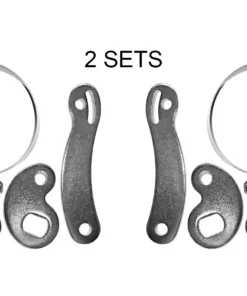
Most likely cause: a hub motor axle that’s worked loose or is spinning slightly in the dropout, usually because a torque arm was never fitted or has failed. What we check first: torque arm security and axle seating — this is one of the most preventable faults on this list, and one of the more urgent to address once noticed.
How We Actually Diagnose These on the Bench
-
Visual and connector check first
Before any component gets blamed, every connector in the relevant circuit gets a visual and continuity check — this alone resolves a large share of the faults we see.
-
Multimeter voltage checks under load
For anything not resolved by a connector check, we measure voltage at key points under load to isolate whether the fault is upstream (battery, connectors) or downstream (controller, motor).
-
Component swap testing where needed
If the fault isn’t clearly isolated by voltage checks, we test with a known-good spare component to confirm which part is actually at fault before ordering a replacement.
Visit us: 2 Beresford Road Lane, Cardiff, CF24 1QU
Hours: Mon–Fri 11am–6pm • Sat 11am–3pm • Sun closed
FAQ
Can I do any of this diagnosis myself before booking a repair?
Checking connectors visually for looseness or obvious corrosion is safe and worth doing yourself first — it resolves a surprising number of cases on its own. Voltage checks and component swap testing are worth leaving to us unless you’re already confident with multimeter use around battery systems.
Do you repair kits you didn’t originally sell or fit?
Yes — the diagnostic approach here applies regardless of where the kit came from or who fitted it. Bring the bike in and we’ll work through the same checks.
How do I know if a display error code is serious or minor?
Most codes point to a connector or sensor fault rather than a serious motor problem, but the specific code matters — note the exact number and message you see and share it with us, either in person or via WhatsApp, and we can usually narrow down the likely cause before you even bring the bike in.
Why check connectors before assuming a bigger fault?
Because it’s by far the most common actual cause across every kit type we see, and it’s the fastest, cheapest thing to rule out. Jumping straight to assuming controller or motor failure often means paying for a bigger repair than the bike actually needs.
What if my symptom doesn’t match anything on this list?
This covers the faults we see most often, not every possible issue. Describe exactly what you’re experiencing — when it happens, any sounds, any error codes — via WhatsApp or in person, and we’ll work through it from there.
Got a fault that matches one of these, or something different entirely? Message George on WhatsApp with the symptoms and we’ll tell you what we’d check first.