

E-Bike Battery Repair UK: BMS Replacement, Cell Swap or New Battery?
A failing e-bike battery doesn’t always mean a new one. We break down when a £75 BMS replacement fixes it, when a cell group repair
Lithium-ion batteries don't fail suddenly — they degrade gradually, losing a small percentage of their original capacity with every full charge cycle. A battery isn't "dead" when it reaches the end of its rated cycle life; it typically still works, just with noticeably reduced range, commonly down to 70–80% of its original capacity at that point. Whether that's still acceptable depends entirely on how far you need to ride.
| Use pattern | Typical lifespan | Why |
|---|---|---|
| Daily commuter, full charges | 3–4 years | High cycle count accumulates faster |
| Regular but not daily use | 4–5 years | Fewer cycles per year |
| Occasional or seasonal use | 5+ years, but calendar ageing matters | Low cycle count, but batteries also age with time regardless of use |
| Frequent full 0–100% charging | Shorter end of typical range | Deep full cycles stress cells more than partial charges |
If you're not riding again for a few days, it's better for long-term health to charge closer to when you need it rather than topping up to full and leaving it sat there.
Recharging from around 20–30% rather than always waiting for empty reduces the deep-discharge stress that accelerates capacity loss over time.
Charging a genuinely cold battery (for example, straight after a winter ride left outside) can stress the cells. Bring it to roughly room temperature first if it's been out in the cold.
A mismatched charger — wrong voltage or poor quality — is a common and avoidable cause of premature battery wear.
If you're not riding for an extended period — over winter, for example — store the battery at around 40–60% charge rather than full or empty, in a cool, dry place indoors, away from direct heat sources. Check it every few weeks and top up slightly if it's dropped a lot, since batteries do self-discharge slowly even in storage. Avoid leaving a battery in an unheated shed or garage through a UK winter, where damp and cold together are a worse combination than either alone.
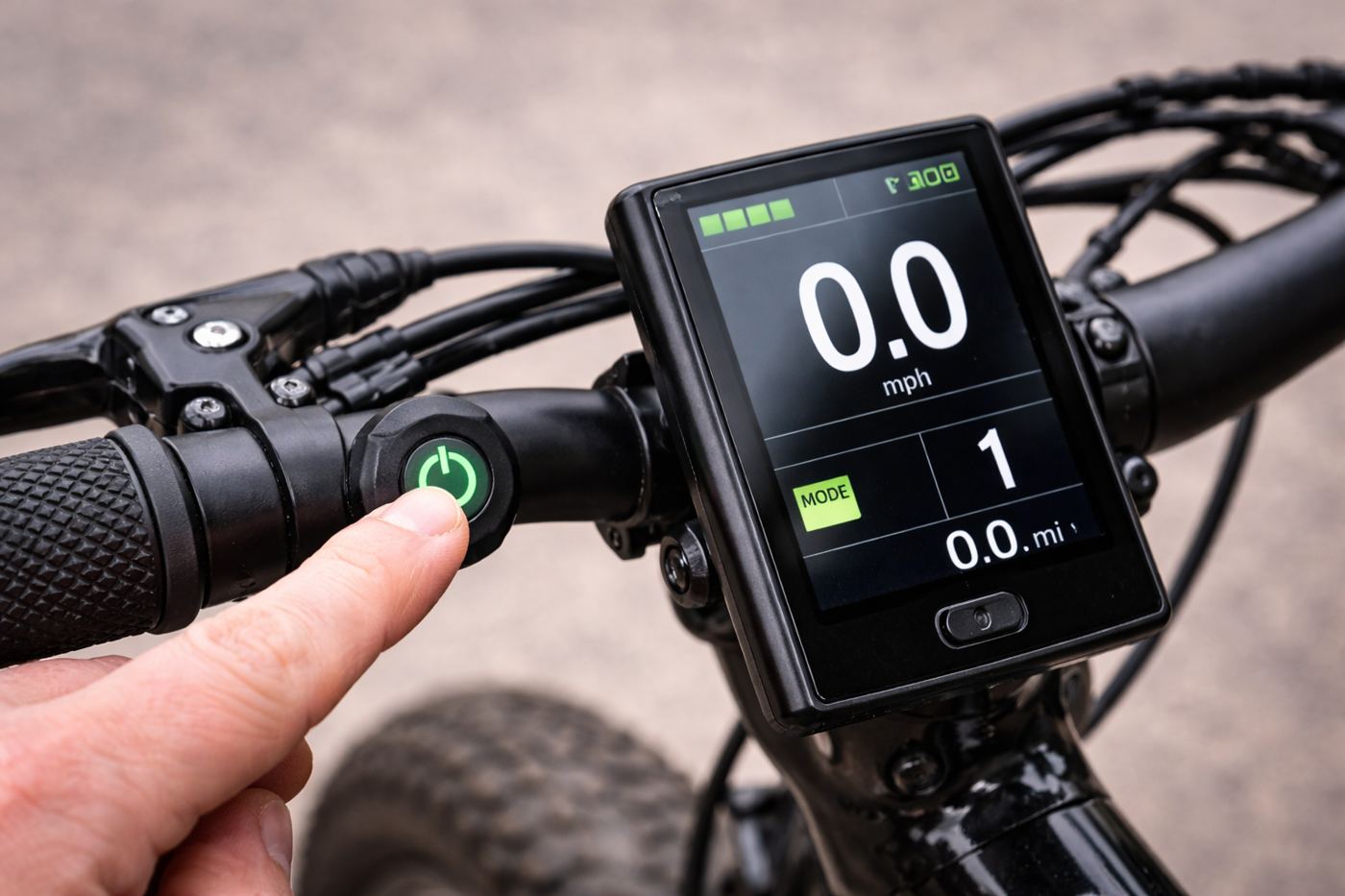
The display's estimated range is calculated from voltage and recent usage patterns, not a direct measurement of remaining capacity — which is why two batteries showing "3 bars" on their displays can have genuinely different real-world range left in them. On the bench, we run a controlled discharge test: fully charge the pack, discharge it at a steady rate while logging actual Ah delivered, and compare that figure against the battery's original rated capacity.
| Result of discharge test | What it tells us |
|---|---|
| 90%+ of rated capacity | Ageing normally, no action needed |
| 70–90% of rated capacity | Noticeable range loss, still usable — worth planning a replacement timeline |
| Below 70% of rated capacity | Significantly degraded; replacement usually makes more sense than continuing to ride on it |
| Erratic or inconsistent readings across repeat tests | Points to a BMS or cell-balance fault rather than simple ageing — worth a closer diagnostic look |
This is the same test we'd recommend before buying a second-hand converted bike with an existing battery — it takes the guesswork out of a decision that otherwise relies entirely on the seller's word.
If you're seeing the second set of signs, stop using the battery and get it checked rather than continuing to charge and ride on it — diagnosing a battery that won't hold charge (guide coming soon).
Replacement is usually the right call once range has dropped enough to genuinely affect your rides — individual cell degradation in a pack this age isn't generally cost-effective to repair.
Get it diagnosed before assuming replacement is needed. Some faults are a repairable BMS or connector issue rather than genuine cell failure.
Bring it in, or message us on WhatsApp with the symptoms. We'll test it properly rather than guessing from a description.
Not sure whether your battery needs replacing, or just better care? Message George on WhatsApp with the symptoms and we'll advise honestly, not just sell you a new one.
A failing e-bike battery doesn’t always mean a new one. We break down when a £75 BMS replacement fixes it, when a cell group repair
Wattage doesn’t tell you how a motor climbs — torque does. Here’s why a mid-drive kit outclimbs a same-rated hub motor, how to match a


Your ebike professionals!
2 Beresford Road Lane
Cardiff
UK
CF24 1QU

Welcome to ALL4EBIKES!
Typically replies within minutes
WhatsApp Us
🟢 Online | Privacy policy
WhatsApp us
Feature unlocked
Pick your voltage, capacity, cells, connector — even a custom shape.