

Mid Drive vs Hub Motor: The Total Cost of Ownership Over 3 Years
Short answer
On cost alone a hub motor usually wins: day-one cost is about £230-£370 against £470-£680 for a mid drive (kit plus fitting). A mid drive wears the chain and cassette faster because motor power passes through them, and that gap grows on hilly routes. Electricity costs are small for both, and resale only narrows the gap slightly. The mid drive case rests more on ride quality than on price.
About this guide: Built from what we actually see in replacement parts and resale enquiries at the Cardiff workshop, not manufacturer figures.
Upfront Cost: Motor Plus Fitting
| Hub motor | Mid drive | |
|---|---|---|
| Entry-level motor kit | £150–£250 | £350–£500 |
| Workshop fitting (from) | £55 | £55 |
| Day-one total | £205–£305 | £405–£555 |
Year-by-Year Running Cost Breakdown
The upfront gap is only half the picture. What happens over the following three years of ownership is where a hub motor’s cost advantage either holds up or narrows, depending entirely on your terrain.
| Cost area | Hub motor, typical | Mid drive, typical |
|---|---|---|
| Chain replacement | Standard bicycle wear rate | Faster — motor load passes through it |
| Cassette replacement | Standard bicycle wear rate | Faster, particularly on hilly terrain |
| Chainring/motor-side wear | Not applicable | Wears over time, occasional replacement |
| Spoke tension checks | Occasional, on the motorised wheel | Not applicable |
What Drivetrain Wear Actually Costs on a Mid Drive
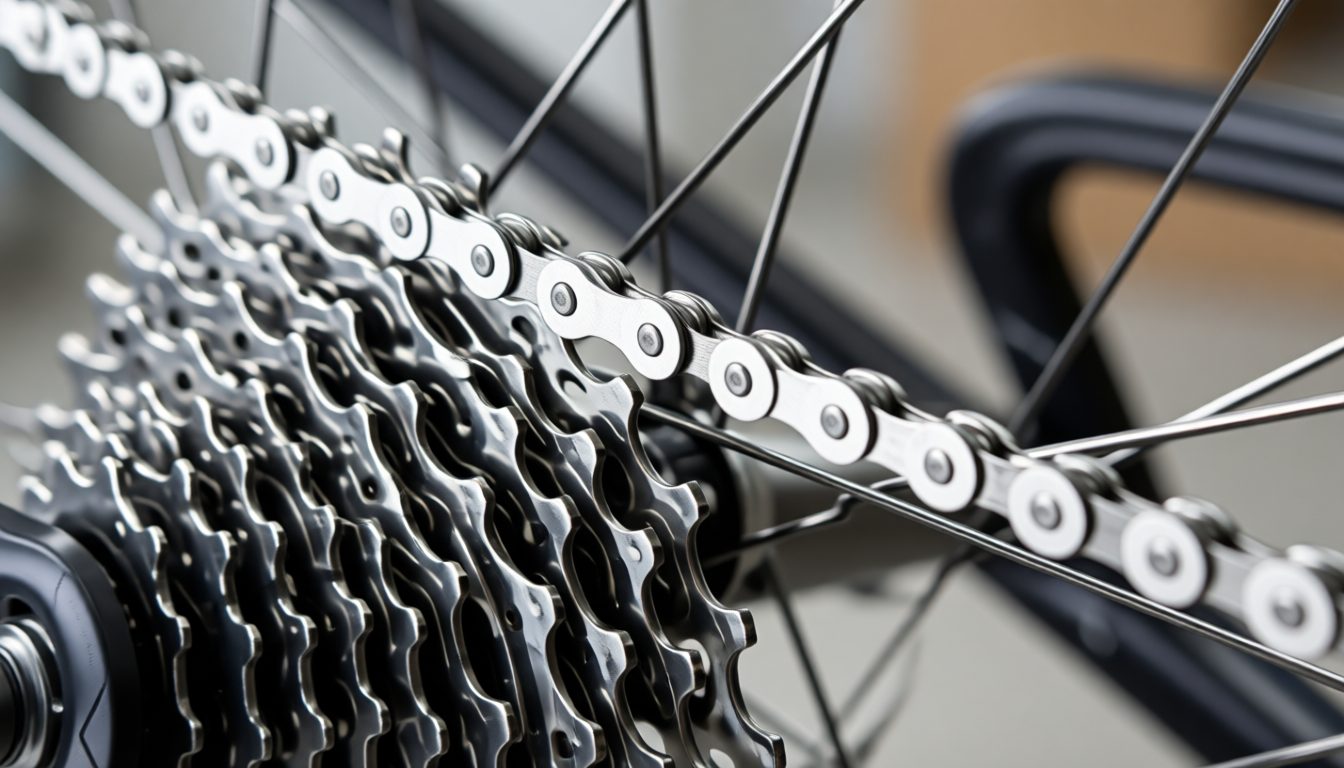
This is the single biggest hidden cost difference, and it’s rarely mentioned in upfront pricing comparisons. Because a mid drive sends motor power through your chain and cassette, both wear faster than on a standard bike or a hub motor conversion — particularly if you’re riding hilly terrain regularly, where sustained torque under load accelerates wear further. Over three years of regular use, a mid drive owner will typically replace a chain and cassette combination more often than a hub motor owner covering similar mileage, adding a real, recurring cost that a hub motor simply doesn’t have.
Electricity Cost: Is There Really a Difference?
Charging cost for either motor type is small — a few pence per full charge regardless of motor type, since it’s driven by battery capacity rather than motor design. Where a genuine (small) difference can show up is efficiency on hilly terrain: a mid drive’s gear-multiplication advantage can mean slightly less energy used per mile on sustained climbs, which very marginally reduces how often you’re charging. On flat terrain this difference is negligible either way.
The Three-Year Total, Side by Side
| Hub motor | Mid drive | |
|---|---|---|
| Day-one cost (kit + fitting) | £205–£305 | £405–£555 |
| Three-year drivetrain wear cost, flat terrain | Minimal | Moderate |
| Three-year drivetrain wear cost, hilly terrain | Minimal | Higher |
| Electricity cost over three years | Low | Low, marginally lower on hills |
Figures are directional based on typical parts turnover we see, not a guaranteed quote for any specific bike or riding pattern.
Resale Value: What We Actually See
Both motor types hold reasonable resale value if the bike’s been looked after, but we do see steadier resale interest in mid drive builds, largely down to their reputation for hill performance carrying weight with second-hand buyers. This is a modest factor, not one worth overpaying upfront for on its own — it narrows the total cost gap slightly at the point of resale, but doesn’t reverse it.
Where the Value Calculation Flips
-
Flat commute, no significant hills
Hub motor wins on total cost, clearly. Lower purchase price, the same fitting price, and drivetrain wear stays close to a standard bicycle’s.
-
Regular hilly riding, high annual mileage
The gap narrows. Higher upfront mid drive cost is partly offset by better efficiency, though drivetrain wear cost still tends to favour the hub motor numerically — the mid drive’s case here rests more on ride quality than pure cost.
-
Heavy cargo use, minimal climbing
Hub motor is usually the better cost outcome — straight-line load hauling doesn’t play to the mid drive’s gear-multiplication advantage the way climbing does.
-
Want the full performance picture, not just cost
See our technical comparison guide for efficiency, handling, and reliability differences that this page deliberately leaves out.
Visit us: 2 Beresford Road Lane, Cardiff, CF24 1QU
Hours: Mon–Fri 11am–6pm • Sat 11am–3pm • Sun closed
FAQ
Does drivetrain wear on a mid drive really add up to a meaningful cost?
Over a single year, the difference is modest. Over three years of regular riding, particularly on hilly terrain, the extra chain and cassette replacements do add a real recurring cost that a hub motor conversion simply doesn’t carry, since motor power never passes through the drivetrain on a hub motor build.
Is a mid drive ever the cheaper total-cost option?
Rarely on pure cost alone — a hub motor is generally the lower total-cost option across most ownership periods and terrains. A mid drive’s case is built more on ride quality and hill performance than on being the cheaper choice, which is exactly why we’ve kept the performance comparison separate from this cost breakdown.
Can I reduce mid drive drivetrain wear costs?
Using a quality eBike-rated chain, replacing it before it stretches significantly rather than waiting for visible wear, and keeping chainline correctly set all help extend drivetrain life. This narrows the gap somewhat but doesn’t eliminate the underlying cost difference versus a hub motor.
Does resale value make up for the higher mid drive upfront cost?
Only partially. Mid drive builds do tend to hold interest slightly better on resale, but the difference is modest compared to the upfront price gap and the added drivetrain running costs, so it shouldn’t be relied on as the deciding factor.
Should I choose based on cost alone?
Not entirely — cost is one input, but terrain, load, and how the bike actually feels to ride matter too. If cost is your primary concern and your terrain is flat to moderate, a hub motor is the straightforward answer. If hill performance genuinely matters to your riding, it’s worth reading our technical comparison guide alongside this one before deciding.
Want a cost breakdown specific to your bike and terrain? Message George on WhatsApp and we’ll run the numbers honestly, not just point you at the more expensive option.